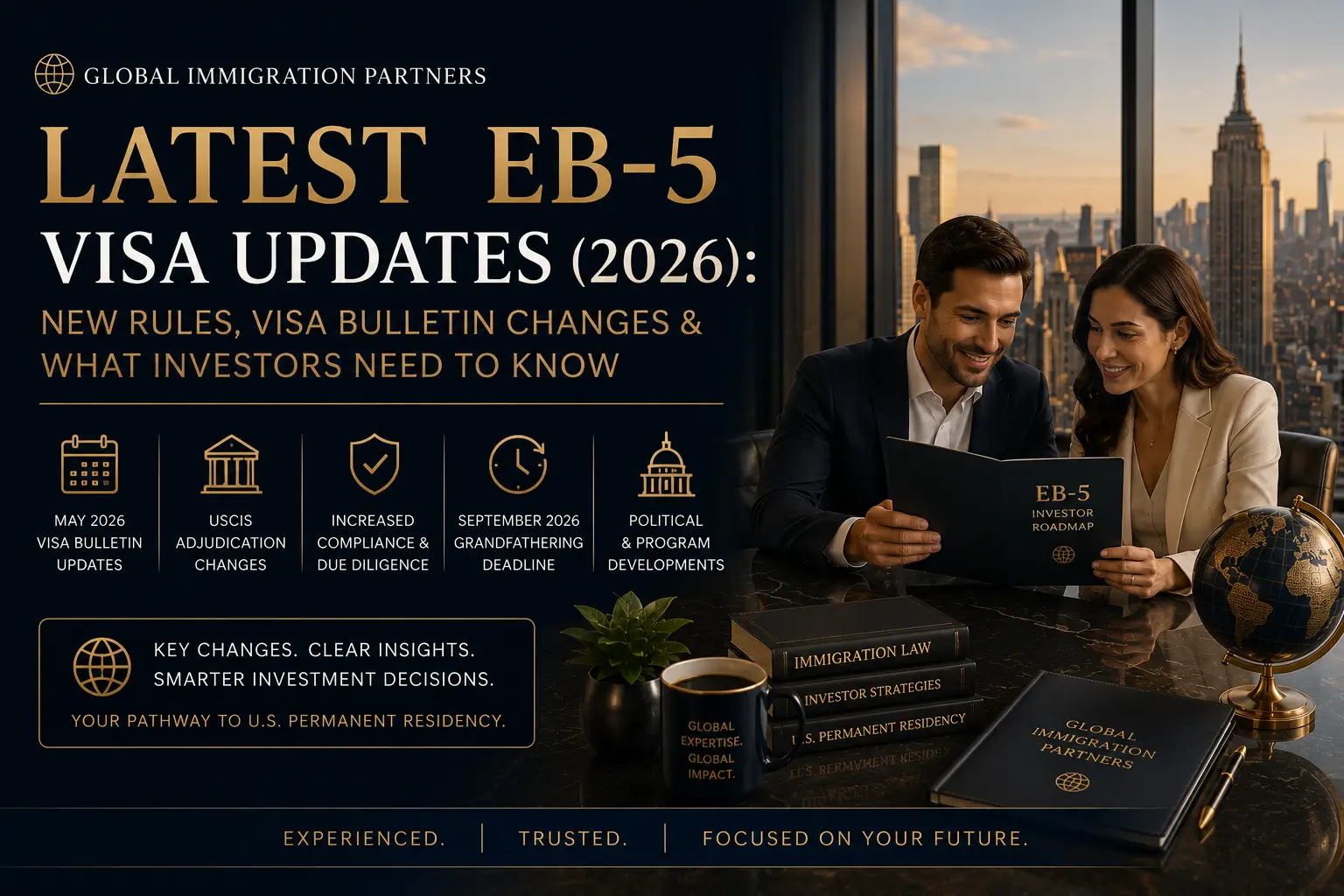
In today’s globalized economy, businesses rely on international talent to stay competitive. However, navigating employment-based visa processes can be complex and challenging for employers and foreign workers alike. Global Immigration Partners specializes in guiding businesses and individuals through these intricate processes, ensuring compliance with legal requirements while maximizing opportunities for success.
Understanding Employment-Based Visas
Employment-based visas enable foreign nationals to work legally in the United States. These visas fall into various categories based on job qualifications, employer sponsorship, and duration of stay. The primary classifications include:
- H-1B Visa – For highly skilled workers in specialty occupations, such as IT, engineering, and healthcare.
- L-1 Visa – For intracompany transferees, allowing multinational companies to relocate key personnel to U.S. offices.
- O-1 Visa – For individuals with extraordinary ability in sciences, arts, education, business, or athletics.
- EB-1, EB-2, and EB-3 Green Cards – For employment-based permanent residency, with different preference categories based on qualifications and job offers.
- TN Visa – For professionals from Canada and Mexico under the USMCA (formerly NAFTA) agreement.
- E-2 Visa – For investors and entrepreneurs seeking to establish or manage businesses in the U.S.
Key Challenges in Employment-Based Visa Processing
Securing an employment-based visa involves several legal and procedural hurdles, including:
- Strict Eligibility Criteria – Each visa category has distinct requirements regarding job qualifications, employer sponsorship, and prevailing wage determinations.
- Quota Limitations – Some visa categories, such as H-1B, have annual caps, making approvals highly competitive.
- Lengthy Processing Times – Visa applications can take months or even years, requiring strategic planning and alternative solutions.
- Changing Immigration Policies – Regulations and procedures are subject to change, necessitating constant vigilance and adaptation.
- Compliance Requirements – Employers must comply with Department of Labor (DOL) and U.S. Citizenship and Immigration Services (USCIS) regulations, including Labor Condition Applications (LCA) and public access file maintenance.
How Global Immigration Partners Facilitates Success
Global Immigration Partners offers tailored legal services to help businesses and individuals navigate the complexities of employment-based visas. Their expertise includes:
- Strategic Immigration Planning – Advising companies on the best visa options for their workforce needs.
- Petition Preparation and Filing – Assisting with accurate and timely submission of visa applications and supporting documents.
- Compliance and Audit Support – Ensuring adherence to legal obligations and assisting with government audits.
- Workforce Mobility Solutions – Facilitating seamless international employee transfers and addressing visa expiration challenges.
- Legal Representation – Providing counsel in cases of visa denials, Requests for Evidence (RFEs), and other immigration-related disputes.
Best Practices for Employers and Applicants
To enhance the likelihood of visa approval, Global Immigration Partners recommends:
- Early Preparation – Initiating visa applications well in advance to account for processing delays.
- Accurate Documentation – Ensuring all required documents, including employment contracts and educational credentials, are complete and accurate.
- Understanding Alternative Options – Exploring other visa categories if primary options are unavailable.
- Compliance Training – Educating HR teams on immigration policies to maintain regulatory compliance.
- Working with Experts – Engaging experienced immigration attorneys to navigate legal complexities effectively.
Conclusion
Navigating employment-based visa processes requires specialized knowledge, careful planning, and legal expertise. Global Immigration Partners empowers businesses and foreign professionals with the resources and guidance needed to successfully obtain work authorization in the U.S. By staying informed about immigration laws and leveraging expert legal support, companies can attract top international talent while ensuring compliance with evolving regulations.