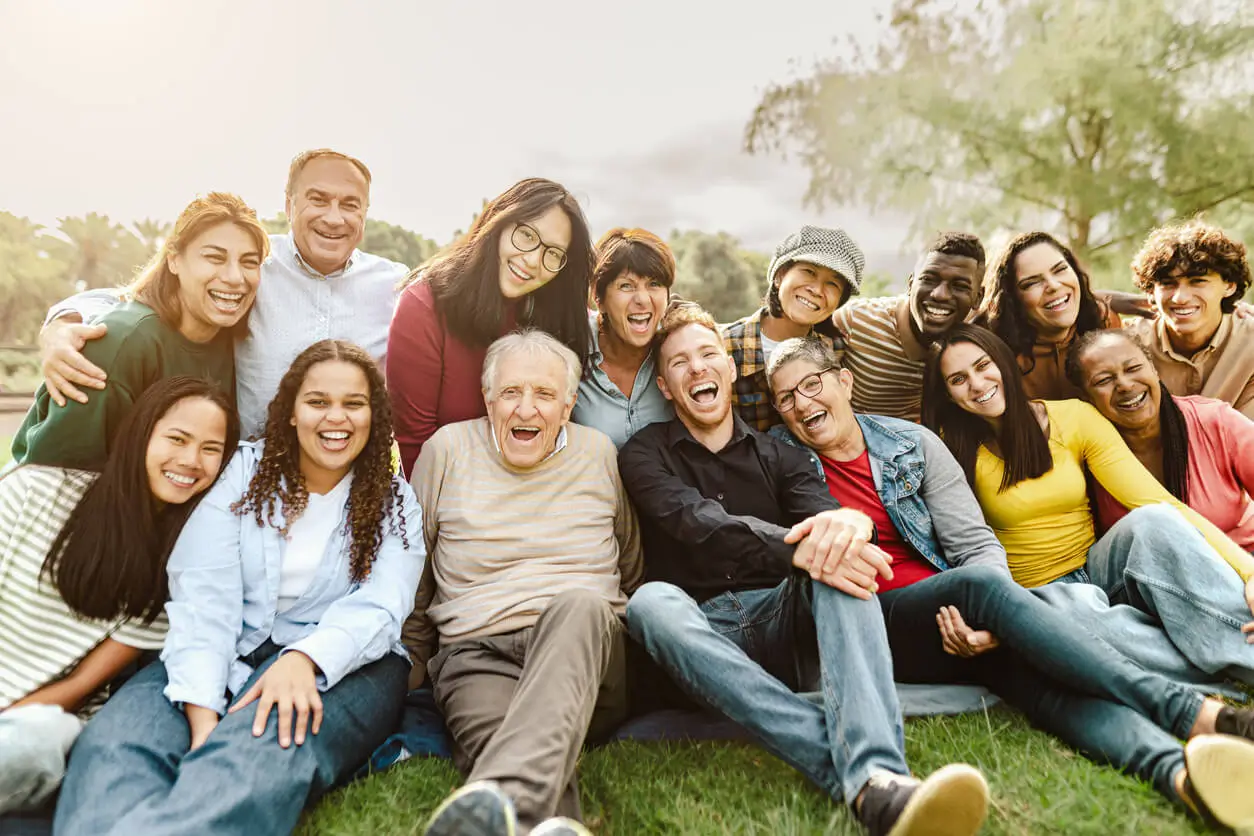
The United States is a vibrant tapestry of cultures, races, and ethnicities. It’s a country where diversity is not just present, but celebrated.
This diversity is a result of centuries of immigration. People from all corners of the globe have made America their home, enriching it with their unique cultures and traditions.
But diversity in America is not just about race or ethnicity. It encompasses a wide range of factors, including religion, gender, socioeconomic status, and more.
In this article, we will delve into the multifaceted nature of American diversity. We will explore its historical roots, its current state, and the role of immigration in shaping it.
Join us as we embark on this journey, exploring the rich diversity of American life.
The Melting Pot of the World
The term “melting pot” is often used to describe the United States. This metaphor refers to the blending of different cultures, races, and ethnicities into a single society. It’s a concept that has its roots in the country’s history of immigration.
From the early European settlers to the waves of immigrants in the 19th and 20th centuries, America has always been a destination for those seeking a new life. These immigrants brought with them their unique cultures, traditions, and languages, contributing to the rich diversity of the country.
However, the melting pot metaphor has its limitations. It suggests a complete assimilation of cultures, a blending so thorough that individual identities are lost. This is not entirely accurate. While there is a degree of cultural blending, many immigrant communities retain strong ties to their cultural heritage.
In recent years, the term “salad bowl” has been proposed as a more accurate metaphor. It suggests a mix of different cultures where each retains its unique flavor, contributing to a diverse and vibrant society. This is the reality of modern America – a country where diversity is not just tolerated, but celebrated.
Historical Roots of Diversity in America
The diversity we see in America today has deep historical roots. The original inhabitants of the land, the Native Americans, were already a diverse group with hundreds of tribes and languages. The arrival of European settlers added another layer of diversity, as did the forced migration of Africans through the slave trade.
In the 19th and 20th centuries, waves of immigrants from Europe, Asia, Latin America, and other parts of the world further diversified the American population. Each group brought their unique cultures, traditions, and languages, enriching the American tapestry. Key historical events, such as the Civil Rights Movement, have also shaped the nation’s understanding and policies regarding diversity.
Today, the United States is one of the most diverse countries in the world. This diversity is reflected in every aspect of American life, from its food and music to its politics and economy.
The Current State of Diversity in the United States
The United States is a vibrant mosaic of cultures, races, and ethnicities. This diversity is not static but constantly evolving, shaped by demographic changes, immigration, and societal shifts. The U.S. Census Bureau projects that by 2045, no single racial or ethnic group will constitute a majority in the United States.
Demographic Changes and Projections
The demographic landscape of the U.S. is changing. The country is becoming more racially and ethnically diverse, largely due to immigration and higher birth rates among minority populations. These changes are most evident in urban areas, which tend to be more diverse than rural regions.
The increasing diversity is also reflected in the rise of multiracial populations and intermarriage rates. These trends are reshaping the American identity, making it more complex and multifaceted.
The Role of US Immigration
Immigration has played a crucial role in shaping the diversity of the United States. The U.S. is home to the largest immigrant population in the world, with diverse communities from Latin America, Asia, Africa, and Europe. These immigrants have significantly contributed to the economic, cultural, and demographic landscape of the country.
However, the U.S. has a complex immigration system that has evolved over time, influenced by changing political and social climates. The ongoing debate over immigration reform continues to shape the future of diversity in America.
USA Immigration Lawyers | Global Immigration Partners
Cultural, Ethnic, and Social Dimensions of American Life
The cultural, ethnic, and social dimensions of American life are as diverse as its people. This diversity is reflected in the languages spoken, religions practiced, cuisines enjoyed, and festivals celebrated across the country. The concept of identity in America is complex, with individuals often identifying with multiple cultural and ethnic backgrounds.
Language and Religion
Language diversity is prominent in the U.S., with hundreds of languages spoken across the country. Spanish, in particular, is widely spoken due to the significant Latin American immigrant population. Religious diversity is also a key aspect of American life, with freedom of religion enshrined in the Constitution.
Cuisine, Festivals, and Holidays
American cuisine is a reflection of the country’s diversity, with a wide range of foods from different cultures. From the southern comfort food to the spicy Mexican dishes, the American palate is diverse and eclectic. Festivals and holidays in the U.S. often celebrate the traditions of various ethnic and cultural groups, further highlighting the country’s rich diversity.
The Impact of Diversity on American Society
Diversity has a profound impact on American society. It drives social progress, enriches the collective American experience, and serves as a bridge for international relations and global understanding. The economic, educational, and workforce sectors are particularly influenced by the country’s diversity.
Economic Contributions
The economic impact of diversity is evident in the entrepreneurial spirit and innovation driven by a diverse population. Immigrants, in particular, have made significant contributions to American innovation, from Silicon Valley to small businesses across the country.
Education and Workforce
In the education sector, institutions are increasingly focusing on diversity and inclusion in their admissions policies and campus cultures. The workforce in the U.S. is also increasingly diverse, with initiatives to promote inclusion and equity in various industries. This diversity in education and the workforce prepares individuals to thrive in a globalized world.
Challenges and Opportunities
Despite the many benefits, diversity also presents challenges. Discrimination, xenophobia, and systemic inequalities persist, affecting various groups in America. These challenges, however, also present opportunities for growth and change.
Addressing Discrimination and Promoting Inclusivity
Efforts to address these challenges include legislation, community programs, and educational initiatives aimed at fostering inclusivity. Diversity training in workplaces, for instance, helps address biases and promote understanding. The role of allyship and advocacy is also crucial in promoting diversity and combating discrimination. These efforts are essential in ensuring that America’s diversity is not just a fact, but also a strength.
Conclusion: Embracing Diversity as America’s Strength
In conclusion, the diversity of American life is a testament to the nation’s rich history, dynamic present, and promising future. Embracing this diversity, with all its challenges and opportunities, is key to understanding and appreciating the complex tapestry that is America. It is, indeed, one of America’s greatest strengths.